Upgrade Your Space: Professional Tiling Services for Every Budget
Renovating an area with tile installation demands thorough planning. Skilled professionals deliver craftsmanship and elegance that self-managed projects commonly miss. While costs may vary, the benefits of hiring experts often outweigh the initial investment. Homeowners must weigh their options and understand the intricacies involved in tile selection and installation. The choice can significantly affect the end result, encouraging a deeper examination of the elements that shape this determination.
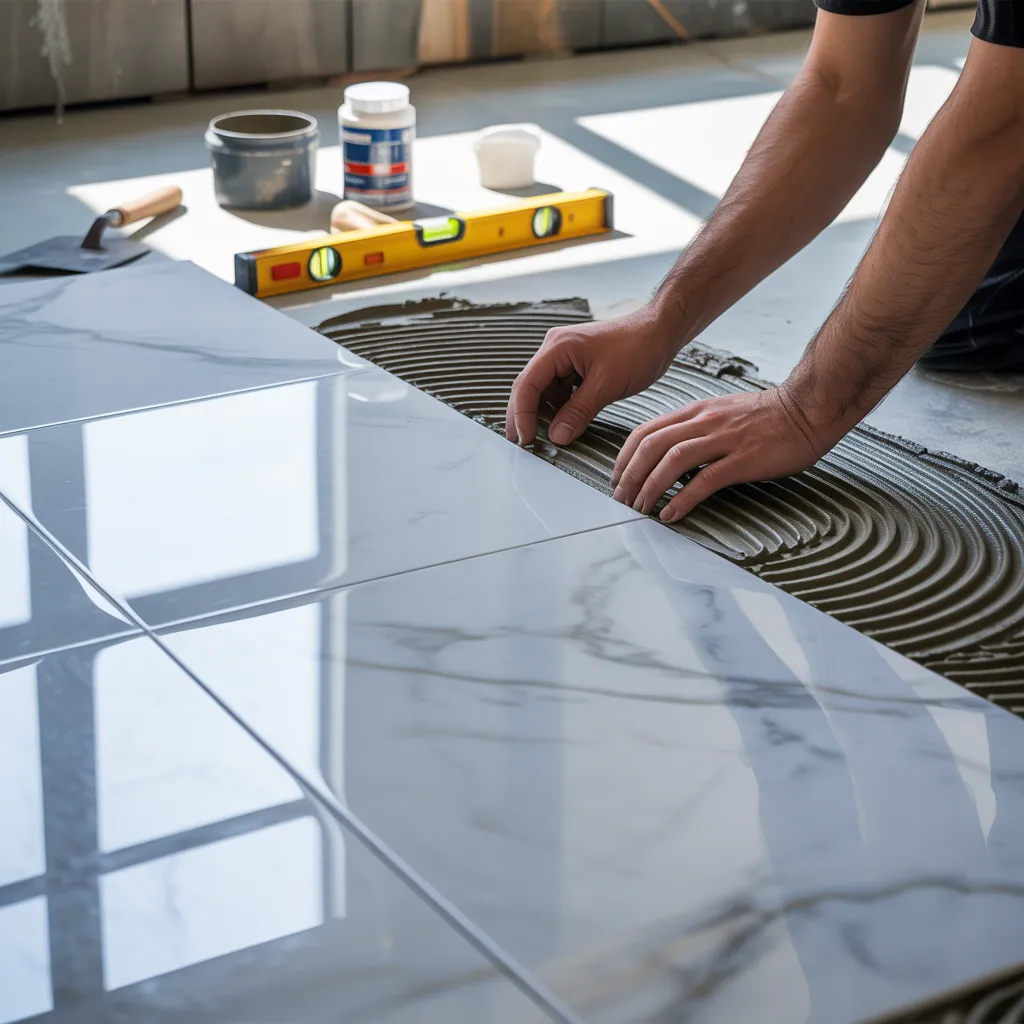
Why You Should Hire a Pro for Tile Installation
When evaluating tile installation, homeowners frequently overlook the challenges that come with the process. A successful installation demands not only a thorough knowledge of different types of tile materials but also an understanding of subfloor preparation, careful layout planning, and exact cutting procedures. Expert installers provide knowledge that limits the risk of costly mistakes, which often stem from improper measurements or insufficient surface preparation. These professionals also have specialized tools that guarantee a thorough and seamless installation, delivering a refined end result.
Moreover, hiring a professional can save time, enabling homeowners to direct their attention to other renovation tasks. Expert professionals are well-versed in local codes and regulations, confirming compliance while reducing the risk of future issues. In the end, investing in professional tile installation can improve the durability and visual appeal of the area, offering lasting results that DIY attempts may fail to accomplish. For these reasons, enlisting the help of a professional is often the best choice for tile installation projects.
DIY vs. Hiring a Professional: Making the Right Choice
When thinking about a tile installation project, people often weigh the financial aspects of a self-installation approach against working with a professional installer. Cost considerations may influence the decision, but so too does the skill level and experience required for a proper installation. Evaluating these factors can enable homeowners to make an informed choice that meets their needs.
Budget Considerations and Costs
In many cases, homeowners encounter a pivotal decision when it comes to tile installation: whether to take on the project as a expert tips DIY effort or bring in a professional. Financial factors play a major role in this decision. Self-installations can initially seem like an affordable option, as homeowners have the opportunity to cut labor costs. However, they must account for the cost of tools, materials, and potential mistakes that could lead to additional expenses. On the other hand, working with a professional generally requires a greater initial investment but can result in a more efficient, high-quality installation. Experts frequently offer warranties, providing reassurance regarding the investment. Ultimately, homeowners should consider the potential cost reductions alongside the risks and benefits associated with each option to make an informed decision that suits their financial situation.
Skill Level and Experience
Determining the appropriate skill level and experience required for tile installation is vital for homeowners contemplating a DIY project versus hiring a professional. Although some homeowners may feel confident enough to handle tile installation independently, the process frequently requires a range of technical abilities, such as precise cutting, surface preparation, and correct adhesive application. Mistakes can lead to costly repairs and unsatisfactory results. On the other hand, enlisting a professional ensures the installation is completed with skill, providing both longevity and visual appeal. Professionals bring a wealth of experience, helping to navigate potential challenges that may arise during the process. As a result, carefully balancing one's own abilities against the intricacies of tile installation is key to reaching a well-informed choice that suits both financial constraints and expected results.
Breaking Down the Costs for Tile Projects
Comprehending the pricing structure for tile projects is crucial for proper budget planning. This encompasses a summary of materials pricing and a thorough overview of labor expenses. By examining these components, home improvement enthusiasts can arrive at educated choices about their tiling project.
Material Costs Overview
When starting on a tile installation project, a detailed cost breakdown is crucial for effective budgeting. Material expenses generally include tiles, adhesives, and grout. The price of tiles fluctuates widely based on material type, with ceramic and porcelain generally offering lower price points, while natural stone and specialty tiles tend to cost more. Moreover, premium adhesives and grouts may improve longevity while adding to the total cost. One must factor in the size of the area to be tiled, as this will have a direct effect on the total materials necessary. Additional considerations like shipping fees and possible material waste should be included in the budget. Through a thorough review of these elements, homeowners can better prepare financially for their tile installation projects.
A Guide to Labor Expenses
Labor expenditures are a key factor in the overall budget for tile installation endeavors. These costs commonly cover the wages paid to skilled laborers, which can vary based on experience and geographical location. Typically, labor represents 20% to 50% of the complete project budget. Variables impacting labor expenditures involve the difficulty of the installation process, the variety of tile chosen, and the dimensions of the space being tiled. For instance, elaborate patterns or large-scale tiles may necessitate greater time and proficiency, causing elevated labor expenditures. Moreover, preliminary work, such as removing old flooring or leveling surfaces, can additionally affect costs. Understanding these components helps clients effectively budget for their tile installation projects.
Key Installation Techniques for Long-Lasting Tile
Attaining a sturdy and visually pleasing tile installation requires attention to key techniques that guarantee longevity. To begin, adequate surface preparation is crucial; the substrate must be free of debris, even, and moisture-free to ensure maximum bonding. Additionally, picking the correct adhesive is paramount, as distinct tile compositions and settings call for specialized options. During installation, preserving even grout lines and spacing benefits both visual appeal and practicality. Moreover, applying the appropriate trowel size promotes consistent adhesive spread, avoiding potential problem areas.
It is furthermore essential to permit sufficient curing time for the bonding materials and grout, as this minimizes the risk of cracking or shifting. Finally, incorporating expansion joints in bigger spaces accommodates movement, further enhancing durability. By adhering to these techniques, tiled surfaces will not only achieve a polished appearance but also endure for years to come, establishing them as a sound investment for any space.
Advice for Preserving Your Newly Installed Tile
Although recently installed tile can greatly enhance a space, proper maintenance is essential to maintaining its aesthetic appeal and durability over time. Routine cleaning plays a key role; applying a mild cleaning solution with a soft mop can keep dirt at bay and sustain the luster without damaging the surface. It is wise to steer clear of harsh chemicals that may erode grout or tile finishes.
Sealing grout lines periodically can help protect against staining and water damage. Grout should be inspected by homeowners for any cracks or color changes and address any issues promptly. In addition, setting down mats in areas that experience frequent foot traffic can significantly reduce deterioration.
In the case of natural stone tiles, only cleaners made for stone surfaces should be utilized to keep the surface from losing its luster. Finally, maintaining humidity levels in the home can prevent mold growth, especially in moisture-prone areas like bathrooms. By applying these guidelines, newly placed tile can be kept as an impressive focal point in the home for years to come.
Popular Tile Design Trends to Upgrade Any Room
As homeowners seek to modernize their spaces, current tile design trends offer innovative solutions that can completely change any area. One standout trend features the adoption of large-format tiles, which produce a smooth appearance and minimize grout lines, creating an impression of greater space. Moreover, striking colors and detailed patterns are returning to popularity, enabling unique design statements in kitchens and bathrooms.
Textured tiles, such as varieties that imitate natural materials like timber or stone, provide depth and warmth while maintaining durability. Geometric patterns and mosaic designs are becoming increasingly popular, providing artistic flair to feature walls and backsplashes.
Sustainable materials are becoming increasingly popular, aligning with eco-conscious designs while preserving visual appeal. Additionally, the inclusion of advanced technology, such as heated tiles, delivers a blend of comfort and sophistication. These trends enable homeowners to elevate their interiors while reflecting their unique styles and preferences.
Selecting the Perfect Tile for Your Style and Budget
How do homeowners manage to sift through the countless tile options on the market while keeping costs under control? The answer is rooted in knowing the various tile types on the market and what each one costs. Ceramic and porcelain tiles tend to be more affordable options, offering an extensive selection of styles and colors. Homeowners who desire a more upscale aesthetic may find that natural stone tiles deliver sophistication, though at a greater cost.
Homeowners ought to also think about the dimensions and arrangement of the space. Larger tiles can create an illusion of space and may reduce installation costs due to fewer grout lines. Additionally, combining various tile styles can produce a distinctive look while maintaining affordable costs.
Budgeting for installation is essential, as hiring professionals can come with a wide range of prices. Ultimately, prioritizing personal style while being mindful of expenses will help homeowners choose the right tile that complements their vision without financial strain.
Questions We Often Receive
What Is the Duration of a Typical Tile Installation Project?
An average tile installation project generally takes anywhere from one to three days, according to the area's size, design's complexity, and kind of tile being installed. All projects vary depending on their individual specifications.
Which Types of Tiles Are Ideal for Outdoor Use?
Ideal tiles for outdoor applications include natural stone, porcelain, and ceramic. Such materials deliver slip resistance, durability, and weather resistance, making them well-suited for pool areas, patios, and walkways, providing safety and durability in a range of climatic conditions.
Is It Possible to Install Tiles Over Existing Flooring?
Certainly, tiles may be placed over current flooring, as long as the surface is structurally sound, clean, and even. Proper preparation is essential to secure proper bonding and prevent potential problems with the tile installation process.
Which Grout Color Works Best for My Tile?
Choosing the best grout color depends on your preferred visual outcome. Light colors create a seamless look, while richer tones accentuate the tile arrangement. Neutral shades frequently offer flexibility, allowing for easy coordination with various decor styles and color schemes.
How Do I Pick the Best Tile Size for My Space?
Selecting the right tile size means evaluating the proportions of the space, preferred visual effect, and practicality. Oversized tiles can produce a feeling of openness, while compact tiles contribute character and visual interest to detailed areas.